Rockin Around the Christmas Tree: A Designer's Review
As we approach the peak season for holiday orders, every stitch counts. When I first pulled up the Rockin Around the Christmas Tree file on my screen, I wasn't just looking for a cute graphic; I was evaluating a potential best-seller for my upcoming winter collection. In the world of Illustrations, there is a fine line between a design that looks charming on a monitor and one that translates beautifully into thread. This review breaks down how this specific machine embroidery design holds up under the needle, specifically for those of us running small shops or creating high-end personalized gifts.
First Impressions and Visual Personality
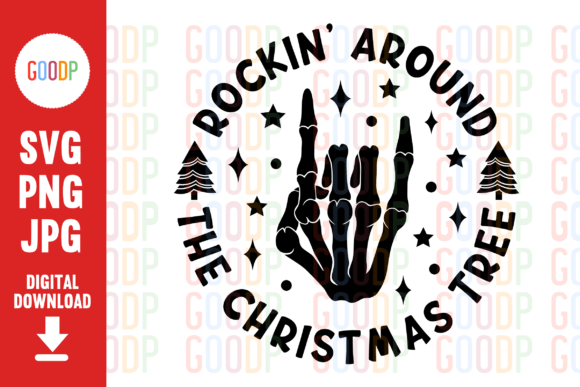
The initial mood of Rockin Around the Christmas Tree is undeniably nostalgic yet energetic. The layout suggests movement, capturing that classic feeling of celebration without relying on overused, static clip-art styles. For an embroidery project, visual flow is critical. If the elements are too disjointed, the eye gets lost in the stitching. Here, the composition feels balanced. The theme leans heavily into traditional holiday warmth, making it an ideal candidate for holiday embroidery projects that need to feel cozy rather than commercial.
What stands out immediately is the level of detail. In many digital embroidery files, designers sacrifice clarity for complexity. However, this design appears to maintain distinct shapes. Whether you are aiming for a bold statement on a back panel or a subtle accent on a cuff, the visual personality of this piece allows it to breathe. It doesn't scream for attention, but it certainly commands it once stitched.
Real-World Application: The Holiday Tote Scenario
To truly test a design, I imagine it on a specific product before I even hoop the fabric. Let's say I am preparing a run of custom canvas tote bag designs for a local boutique's holiday gift guide. Canvas is a sturdy medium, but it has a distinct weave. Placing Rockin Around the Christmas Tree on a natural cotton tote creates an immediate contrast that highlights the thread work.
In this scenario, the design serves as the hero element. Because totes are often carried openly, the finished product becomes a walking advertisement for your craft business. Customers reacting to this design would likely appreciate the whimsical nature of the illustration. It fits perfectly with the current trend of "ugly cute" holiday aesthetics. If I were an Etsy seller, I could see this driving engagement on listings for reusable shopping bags, especially if paired with a complementary font for personalization.
Beyond totes, consider sweatshirt embroidery. A crewneck sweatshirt provides a soft, textured background. The key here is ensuring the design doesn't get lost in the fleece. The shapes in Rockin Around the Christmas Tree seem robust enough to stand out against the nap of the fabric, provided the right stitch density is utilized. For custom apparel, this design offers enough surface area to look professional without overwhelming the garment.
Navigating Fabric Challenges and Hoop Constraints
While the design shows promise, practical application requires caution. Not every fabric is created equal. If you are working with stretchy knits for baby embroidery items, you must be vigilant. Detailed corners in any Illustrations category can pucker if the stabilizer isn't up to the task. Before committing to a client's expensive organic cotton onesie, I always recommend testing the design on scrap fabric of the same weight and stretch.
Curved surfaces present another hurdle. If you plan to use this on a cap, the curvature of the front panel can distort the image. Rockin Around the Christmas Tree has a horizontal flow that might struggle on a deeply curved visor area unless the design is scaled down significantly or placed on a flat patch first. Speaking of patches, creating an embroidered patch with this design could be a brilliant workaround for difficult garments. It allows you to control the backing and stability before applying it to the final item.
Dark fabrics require special attention to thread colors. A design that pops on white might vanish on navy or black. You may need to adjust the saturation of your threads or add a layer of underlay to ensure the colors remain vibrant. Always compare light and dark fabric backgrounds during your prototyping phase. Additionally, check the hoop size requirements. If the design is large, ensure your machine can handle the dimensions without needing a re-hoop, which can lead to alignment issues.
Enhancing Brand Value and Customer Trust
The quality of your design assets directly impacts your brand consistency. Using a well-executed file like Rockin Around the Christmas Tree signals professionalism. When a customer receives a personalized gift with crisp lines and clean fills, their trust in your small shop product increases. Sloppy stitching or poorly digitized details can ruin the perceived value of even the most expensive garment.
This design supports high-quality printable mockups as well. For online sellers, having a digital representation that accurately reflects the stitched reality is crucial for managing buyer expectations. If the embroidery file renders well in simulation software, it will likely stitch out cleanly. This alignment between digital preview and physical reality reduces return rates and boosts buyer engagement.
Practical Notes for the Professional Embroiderer
Before launching this design into production, keep these technical checkpoints in mind:
- Stabilizer Selection: Match your stabilizer to the fabric texture. Cut-away is often safer for stretchy materials to prevent distortion over time.
- Thread Contrast: Verify that your chosen thread palette provides enough contrast between adjacent elements, especially if using similar shades.
- Density Check: Review the fill stitch and satin stitch balance. High density can cause stiffness, which is undesirable for wearables like t-shirts or baby clothes.
- Running Stitch Details: Inspect any fine outlines done in running stitch. These can break easily on items that undergo frequent washing unless properly secured.
- Licensing Verification: Always confirm the license terms. Ensure the file allows for commercial embroidery if you intend to sell finished items or use it in client projects.
- Mockup Testing: Create black and white mockups to check for value contrast. If the design looks muddy in grayscale, it may lack definition when stitched.
Ultimately, Rockin Around the Christmas Tree offers a solid foundation for a variety of festive projects. From kitchen towel sets to boutique pillow covers, its versatility is its strongest asset. However, success lies in the execution. By respecting the limitations of your materials and verifying the technical specs of the digital embroidery file, you can transform this illustration into a standout piece that delights customers and strengthens your reputation as a skilled maker.
Remember, the difference between a good product and a great one is often found in the preparation. Take the time to test, tweak, and perfect your approach to this design, and it will surely become a staple in your holiday repertoire.