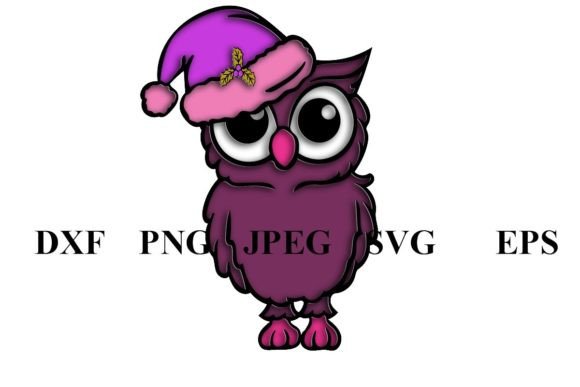
Merry Christmas Decoration Vector: A Designer's Review
When I first pulled up the Merry Christmas Decoration Vector on my screen, my immediate reaction wasn't just about the holiday spirit; it was about stitchability. As someone who spends hours hooped over machines and troubleshooting thread breaks for clients, I look at digital assets differently than a graphic designer might. I'm not just looking at lines and colors; I'm visualizing needle penetration, pull compensation, and how that crisp vector line translates into actual thread on fabric. This piece falls under the Illustrations category, which often implies a level of artistic freedom, but for us embroidery professionals, it demands a practical eye before we commit to a client project.
First Impressions and Visual Personality
The mood this design creates is undeniably festive without being overly cluttered. In the world of holiday embroidery, it is easy to fall into the trap of excessive detail that simply cannot hold up under a needle. However, the layout here feels balanced. The shapes are distinct, suggesting a clean translation from screen to stitch. When I imagine this as a machine embroidery design, I see potential for strong definition. The visual personality leans towards classic and cheerful, making it a versatile candidate for everything from high-end boutique branding to cozy home goods.
What stands out most is the potential for clarity. A common pitfall with vector-based holiday graphics is that they look great at 400% zoom on a monitor but turn into a muddy mess when stitched out at three inches wide. This design appears to have enough breathing room between elements. If converted correctly into an embroidery file, it should maintain its integrity even on textured fabrics where stitch definition can sometimes get lost.
Real-World Application: The Holiday Tote Scenario
To truly test the viability of this asset, I imagined a specific real-life scenario: preparing a run of custom embroidered tote bags for a local craft fair. Tote bags are tricky; the canvas is heavy, the weave is coarse, and the surface isn't always perfectly flat. Using the Merry Christmas Decoration Vector as the central motif, I visualized how it would sit on a natural cotton canvas.
In this context, the design shines as a focal point. For a tote bag design, you need something that reads well from a distance but holds up to close inspection. The illustrative nature of this vector suggests it would work beautifully as a large back-panel graphic or a centered chest logo on a matching sweatshirt embroidery project. If I were selling these as small shop products, the professional look of the finished design would directly impact customer trust. A sloppy, dense stitch-out kills sales, but a clean, well-digitized version of this vector adds perceived value to the handmade product.
Beyond apparel, I could see this working exceptionally well on kitchen textiles. A set of tea towels or an apron featuring this design would make a fantastic personalized gift. The key here is ensuring the stitch density is adjusted for terry cloth or waffle weave textures. If the density is too high, the fabric will pucker; too low, and the backing shows through. This is where the source quality of the vector matters—it gives the digitizer a clear roadmap to create efficient stitch paths.
Navigating Technical Challenges
While the design is promising, there are areas where caution is necessary. Any experienced Etsy seller or craft business owner knows that not every fabric plays nice with every design. If you are planning to use this on stretchy fabrics like jersey knits for baby embroidery projects, you must be vigilant. The curves and corners in the illustration need careful attention during the digitizing phase to prevent distortion after washing.
Small hoop sizes present another challenge. If you intend to scale this down for a cap or a pocket logo, you risk losing the finer details of the illustration. Tiny lettering or intricate decorative accents within the vector might merge together if the hoop size constraints force the design below a certain threshold. In such cases, simplifying the design or opting for an applique design approach might be smarter than attempting a full fill stitch.
Dark fabrics also require strategic thinking. If stitching this onto a navy velvet pillow cover or a black sweatshirt, the contrast becomes critical. You may need to adjust the underlay or use a brighter palette of thread colors to ensure the design pops. Testing the design in black and white mockups before cutting a single thread is a non-negotiable step for me. It helps identify areas where light and shadow might confuse the eye once the thread is laid down.
Impact on Brand and Buyer Engagement
Ultimately, the choice of design assets dictates the professionalism of your finished product. Using a high-quality base like Merry Christmas Decoration Vector affects more than just aesthetics; it influences brand consistency. For commercial embroidery projects, consistency is king. If this design is part of a larger collection, ensuring it matches the weight and style of your other offerings builds recognition.
For digital product sellers offering printable mockups or pre-digitized files, the clarity of the original vector determines the quality of the preview images. High-resolution, clean vectors allow for stunning marketing materials that drive buyer engagement. Customers buy with their eyes first; if the mockup looks crisp and the final stitched item delivers on that promise, you secure repeat business.
Practical Notes for the Studio
Before committing this design to a production run, here is my checklist for ensuring success:
- Test on Scrap Fabric: Always stitch a sample on the exact material you plan to use for the final item. Fabric texture changes everything.
- Check Stabilizer: Match your stabilizer to the fabric weight. Heavy designs on light fabric need robust support to prevent sagging.
- Review Stitch Types: Decide if parts of the design work better as satin stitch for shine or fill stitch for coverage. Sometimes a mix of running stitch for outlines adds a nice hand-done feel.
- Verify Licensing: If you are using this for commercial embroidery or selling it as a digital embroidery file, confirm the license terms explicitly. Do not assume usage rights.
- Inspect Small Details: Zoom in on tight corners and small elements. These are the first places to break or bird's nest if the digitizing isn't precise.
- Compare Backgrounds: Test the design on both light and dark backgrounds to ensure versatility in your product line.
In conclusion, the Merry Christmas Decoration Vector offers a solid foundation for a variety of embroidery projects. Whether you are creating custom apparel, an embroidered patch, or holiday decor, its strength lies in its adaptability. However, its success ultimately depends on the skill of the digitizer and the foresight of the maker. By respecting the limitations of the medium and preparing thoroughly, this illustration can become a standout star in your holiday collection.