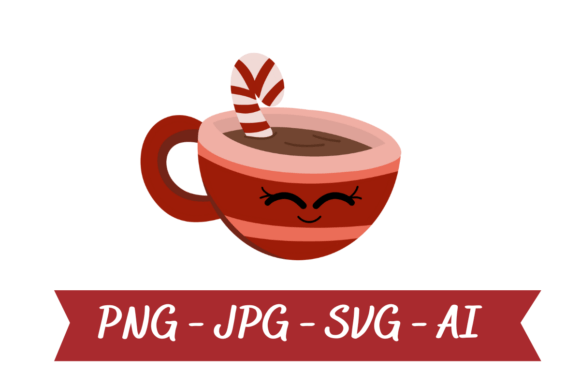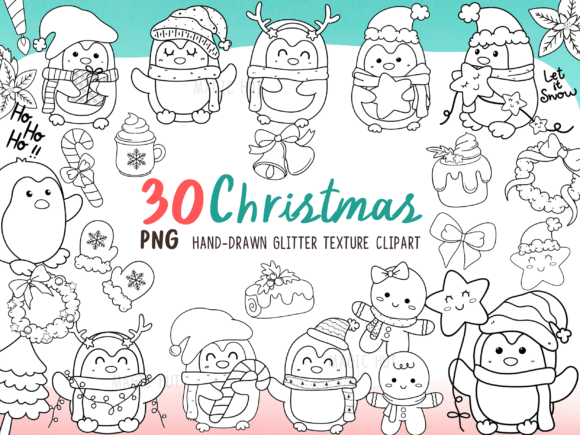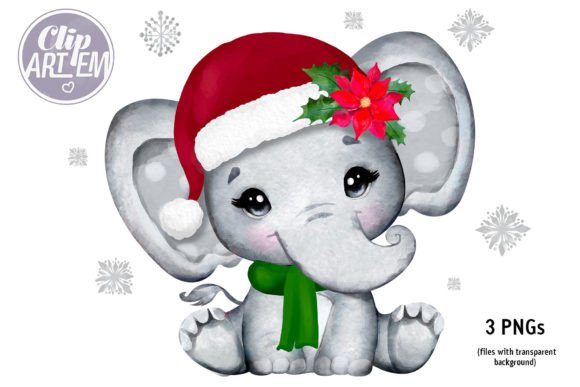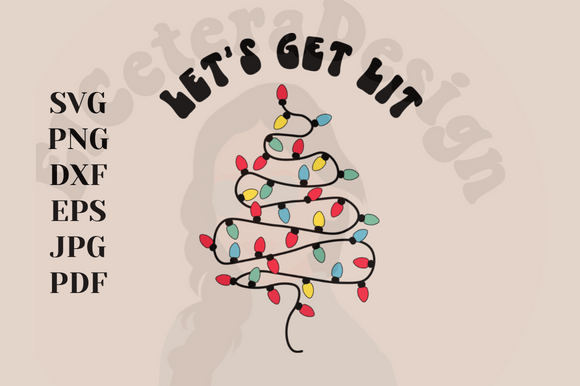
Christmas Chibi Illustrations for Festive Blog Graphics
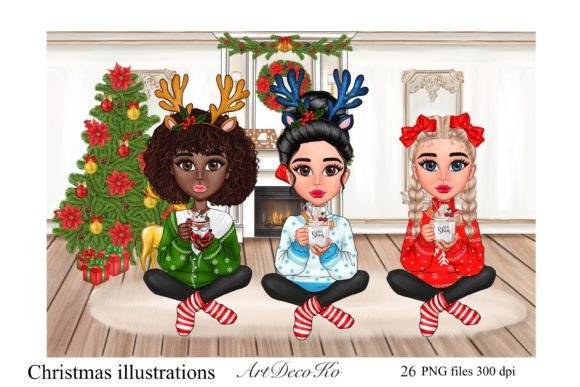
As a digital publisher who spends more time in Canva and Photoshop than I do sleeping, my first impression of the Christmas Chibi collection was immediate: this is exactly the kind of playful, high-engagement visual asset that stops the scroll during the holiday season. When you are managing a content calendar packed with gift guides, recipe roundups, and year-end reviews, your graphic design asset library needs to work hard. These illustrations do not just sit there; they inject a specific editorial mood that feels approachable, whimsical, and undeniably festive.
The style leans heavily into a cute, lifestyle-focused aesthetic. It is not corporate or stiff; instead, it creates a warm, inviting atmosphere that tells your reader, "This content is fun and easy to digest." For niches like parenting, DIY crafts, food blogging, or personal lifestyle sites, this tone is gold. It lowers the barrier to entry for your readers, making them feel like they are visiting a friend's cozy living room rather than a sterile information portal. In the world of editorial design, establishing this emotional connection within the first three seconds of a page load is critical for retention.
Integrating Chibi Style into Real Publishing Workflows
Let's talk about practical application. If you are preparing your site for the Q4 rush, Christmas Chibi offers incredible versatility across multiple touchpoints. I immediately saw these working as hero images for blog posts titled "Top 10 Gifts for Kids" or "Easy Holiday Decor Hacks." Because the characters are stylized and expressive, they serve as perfect focal points without competing with your headline text.
Beyond standard blog graphics, these illustrations are a powerhouse for Pinterest pin creation. Pinterest is a visual search engine where cute, clear imagery thrives. You can layer these chibi characters over soft pastel backgrounds or bold holiday patterns to create pins that stand out in a crowded feed. They also excel as social media graphics for Instagram Stories or Facebook headers, providing a consistent visual thread that ties your campaign together.
For those of us selling digital products, the potential here is vast. Imagine using these assets on the cover of a digital guide about holiday planning, or as decorative elements in a printable design like a Christmas checklist. They add significant perceived value to a lead magnet. If you are an educator or coach, incorporating these into a worksheet or eBook cover can make dense information feel lighter and more engaging for your audience.
Boosting Visual Hierarchy and Click-Through Rates
The primary goal of any web design element is to guide the user's eye. Christmas Chibi supports a strong visual hierarchy because the characters often have distinct outlines and vibrant colors that pop against white or neutral backgrounds. This contrast draws the eye directly to the key message of your post. When used correctly, this leads to a better click-through potential. Readers are more likely to click on a thumbnail that promises a cheerful experience than one that looks generic or overly serious.
Furthermore, consistency builds trust. By using a cohesive set of design assets throughout your website header, category thumbnails, and newsletter banners, you strengthen your brand identity. Your audience begins to recognize your content instantly, even before they read the title. This recognition is vital for content marketing success, as it turns casual browsers into loyal subscribers.
Strategic Placement and Performance Considerations
While these illustrations are fantastic, they are not a one-size-fits-all solution. They work best in contexts where personality is an asset. Think affiliate marketing pages reviewing toys, holiday party invitations, or "best of" lists. They shine as editorial accents that break up long blocks of text, keeping the reader engaged as they scroll down the page.
However, caution is required. In very serious professional niches, such as legal advice, financial investing, or medical news, the playful nature of chibi art might undermine your authority. Similarly, avoid using them on busy layouts where there is already too much visual noise. If your background is a complex pattern, the detailed lines of the illustration might get lost. They also need careful handling on small mobile thumbnails; ensure the character's face remains clear and recognizable even when shrunk down to 150 pixels wide.
Technical Notes for Publishers and Designers
Before you deploy Christmas Chibi across your monetized sites, run through this quick checklist to ensure optimal performance:
- Device Testing: Always preview your graphics on both desktop and mobile screens. What looks balanced on a monitor might look cramped on a phone.
- Typography Pairing: Test the illustrations beside various font styles. They pair beautifully with rounded sans-serifs for a modern look, or handwritten script fonts for a personal touch. Avoid overly rigid serif fonts which might clash with the playful vibe.
- Contrast Checks: Ensure there is enough contrast between the illustration and your background color. If you place a light-colored chibi on a white background, it will vanish.
- File Optimization: Review the file size. For web design, speed is king. Compress your images properly using tools like TinyPNG to ensure they don't slow down your page load times, which hurts SEO.
- Licensing Verification: This is non-negotiable. Confirm you have a commercial license before using these assets on affiliate pages, in paid courses, or on any website that generates revenue. Most items on a creative marketplace require a specific license for commercial design use.
Ultimately, Christmas Chibi represents a smart investment for creators looking to refresh their small business branding for the holidays. Whether you are creating a Canva template for clients or designing a digital download for your own shop, these Illustrations provide the polish and charm needed to make your content feel premium yet accessible. By integrating them thoughtfully into your editorial design strategy, you can elevate the entire user experience, turning simple blog posts into memorable visual stories.